Nature conservation in Espoo
Espoo is developed as a pleasant, safe, and green city. Although the city is growing at a rapid pace, efforts are being made to reconcile urban development with work promoting biodiversity. In Espoo, biodiversity is supported, restored, and even increased.
Espoo gathers information on the state of nature and the environment
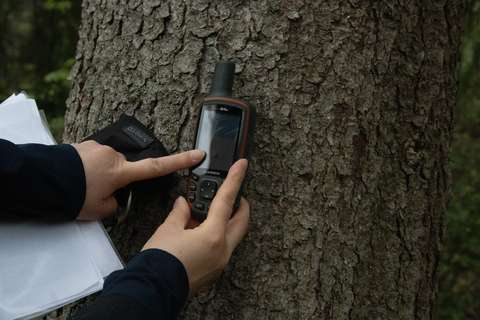
Nature and water conservation are always based on sufficient information on the state of the environment and natural values. In Espoo, the state of the environment is monitored, for example, by commissioning nature surveys. These surveys and reports are used to compile information on the city's natural values, such as endangered biotypes, bird species nesting in waterfowl habitats, and the habitats of endangered species. Information about nature and the environment is always utilised in the planning of land use and in construction and when the establishing of new nature reserves is being planned. All the publications and reports prepared by Espoo’s Environmental Protection Department are available on the page Environmental Protection’s publications.
Espoo establishes new nature reserves
Espoo has a lot of nationally and regionally valuable natural sites, including valuable running waters, rocky areas and places important for birds. Espoo has more than 130 nature reserves and protected habitats, covering about 13% of Espoo's land area. Nuuksio National Park is the largest of the protected areas. Protected areas are located on lands owned by the state, the municipality and private landowners. Espoo has six areas that belong to the Natura 2000 network. Some of the nature reserves in Espoo have plans for their maintenance and use. These are available on the page Luonnonsuojelualueiden hoito (in Finnish).
In the Nature Conservation Measures programme completed in 2021, i.e. the LuonTo-project, Espoo investigated and defined areas whose protection or maintenance would help support biodiversity in Espoo. The LuonTo-project suggests that a total of 390 hectares of new nature reservations be established on the sites with the most significant natural values. The establishing of the first three nature reserves was decided at the beginning of 2023. You can learn more about the current and future nature reserves through the map service of Espoo(external link, opens in a new window).
Private landowners can also establish a nature reserve, either permanently or for a fixed period of time. The Environmental Protection Service Area provides expert assistance in nature conservation and prepares the protection proposals of nature reserves.
Although nature reserves can be used to secure valuable natural sites, habitats or species, this alone is not enough to safeguard biodiversity. There is still valuable nature in Espoo that is not included in the protected areas. Areas that are not in their fully natural state still have many important functions: they produce ecosystem services, create ecological connection, and provide habitats for many species. Therefore, it is important that nature conservation is examined more broadly than just through the establishing of nature reserves.
Espoo steers construction away from valuable natural sites and secures ecological connections
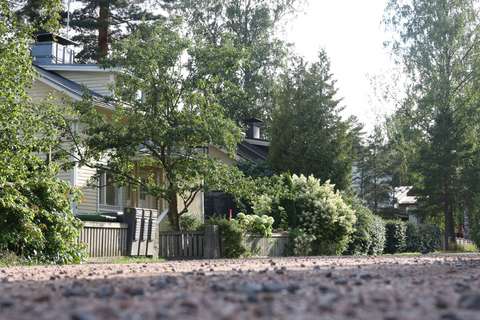
In a rapidly growing city, urban planning plays an important role in safeguarding natural values and planning recreational opportunities. In Espoo, natural areas and ecological connections important for biodiversity and ecosystem services are secured through city planning. In addition, city planning aims to secure and develop diverse urban green areas, such as parks, local forests, street trees and lush gardens.
With the help of up-to-date information on nature and the environment, construction and land use can be controlled so that the most valuable natural sites are not endangered. There are 70 known endangered and over 100 near threatened species living in Espoo. Many species strictly protected under the EU Habitats Directive live in Espoo. The most well-known of them are the flying squirrel and many bat species. Nature surveys carried out in connection with city planning projects are used, for example, to determine these species’ habitats that will be protected in the city plan with plan symbols and regulations.
In master planning and detailed planning, landscape architects work as experts in the city's green structure. The master and detailed planning of Espoo are supported by experts in environmental protection who participate in the preparation of the city plans and provide statements on the draft plans. The statements assess how well the proposal has succeeded in safeguarding the natural values of the planning area and its immediate surroundings. In city planning projects, the proposed plan’s impact on nature and the environment is also always assessed.
Read more about how we reconcile construction and nature in the Urban nature article.
Biodiversity is key element of growing Espoo
Espoo aims to mitigate loss of biodiversity in every way possible. The current council term’s Espoo story, or Espoo strategy, proposes that city development in Espoo should maintain, restore and increase biodiversity. To achieve this goal, we have launched an expansive Nature-wise Espoo project where we will determine how to better secure and increase biodiversity. The Nature-wise Espoo project will be carried out in cooperation between the Environmental Protection Department, City Planning Department and Public Works Department.
In the Nature-wise Espoo project, we will determine how we can better secure and increase biodiversity. A roadmap which defines biodiversity preservation goals and actions will be created as a result.

Information about natural values in Espoo
All the publications and reports prepared by Espoo’s Environmental Protection Department are available on the page Environmental Protection’s publications.