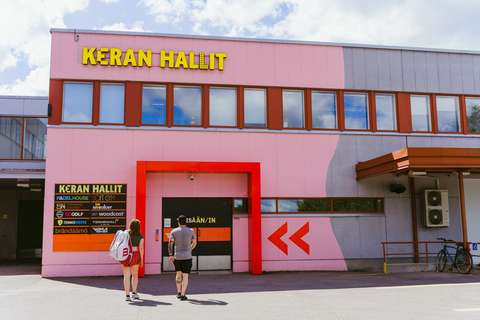
Temporary use of Keran Hallit
Keran Hallit was a temporary service hub operating in Kera on the premises of a former logistics centre from 2019 to 2025. The halls housed, among other things, microbreweries and other forms of urban food production, sports services, such as a skate park, a dance studio and padel courts, as well as Finland’s largest concentration of murals. Today, Keran Hallit is an internationally interesting success story demonstrating the potential of temporary use of premises at its very best.
Pioneer of temporary use – where did it all begin?
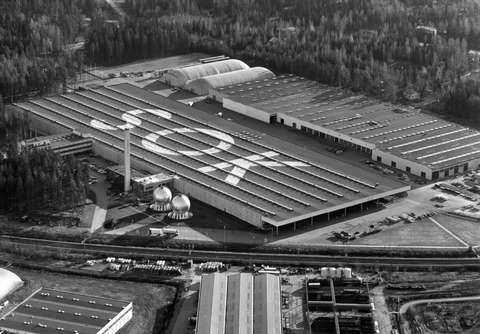
Before Keran Hallit, the halls served as the logistics centre of S Group. As the urban structure evolved, logistics operations – for both S Group and many other local operators – were relocated elsewhere in the 2010s, opening up the opportunity to plan a new residential area in the heart of Espoo. But what to do with the empty spaces while waiting for the construction of the new district to begin?
The idea arose to make Kera known even before new residents moved in. A design competition was held, and the winning proposal included a vision for the final use of the S Group logistics centre. Repurposing the large halls for recreational, cultural and business activities would give the area an identity even before it was fully developed.
Benefits of temporary use include increased value
Keran Hallit is a concrete example of how determined work on temporary use can produce real results. The project has given Kera a unique identity that benefits the city, landowners, local businesses and residents alike.
For S Group, as the owner of the land and the halls, the starting point for the experiment was area marketing, i.e. increasing the value of the land. Without temporary use, the alternative would have been an empty plot or an abandoned building susceptible to vandalism. Thanks to temporary use, the area has gained visibility and recognition and now has a clear brand identity. The building’s maintenance costs were covered by rental income.
For entrepreneurs, the halls offered a unique opportunity to test their ideas and grow. As the halls were nearing the end of their use, rents were lower than usual because the property owner did not need the rental income to cover long-term building maintenance investments. Temporary use also allowed a more relaxed approach to the personalisation of premises. The vibrant and innovative atmosphere of the business community at Keran Hallit would not have been possible without the temporary nature of the project. At the same time, many businesses gained a solid foundation for their ongoing operations.
For the city, Keran Hallit provided a convenient testing ground for various sustainable urban development solutions. We aim to develop Kera into a circular economy-based, pleasant and safe district where residents and businesses can make sustainable choices and provide sustainable services. Keran Hallit enabled a wide range of development, research and experimentation activities to support this goal. Solutions have been tested and developed at the halls for the needs of urban food production, sustainable mobility services, and low-carbon construction. Many solutions created in Kera have been scaled and applied to other cities in Finland and around the world.
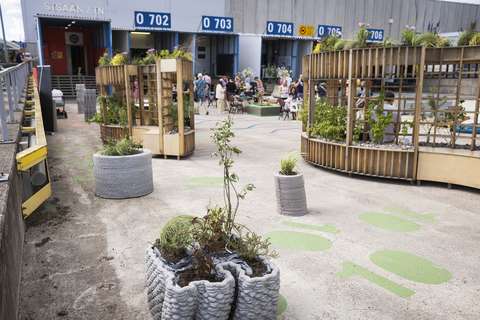
Four themes: sports, culture, community and production
The halls were deliberately leased to businesses that best supported the goals of temporary use – above all, making the area better known. At the same time, the halls’ architecture, with their high ceilings and exceptional floor load capacity, was particularly well suited to production-related uses. The decision was made to focus on four themes: sports, culture, community and production.
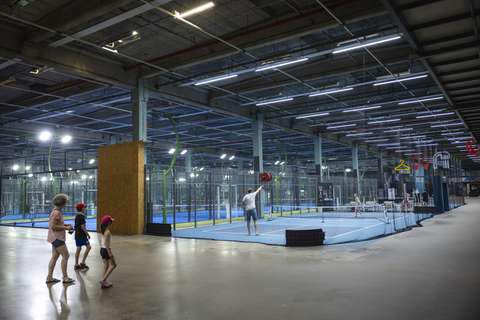
Before long, the range of sports activities on offer was extensive: padel, dance studio, gym, shooting range, snooker, darts, skate park, and much more. The sports theme brought a large number of users to the halls daily and at different times of the day.
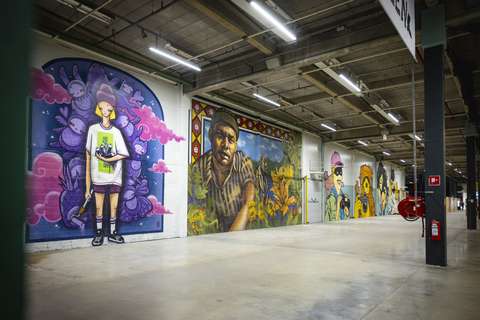
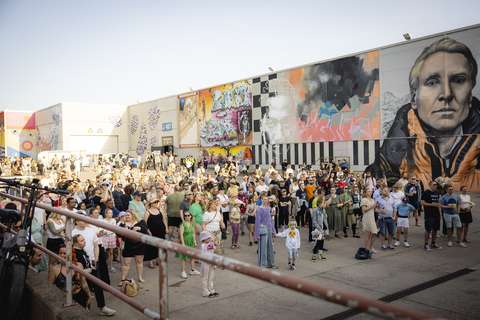
The themes of culture and community were reflected in a variety of events held at the halls. The most visible mark was left by the Concreate Festival in 2021, during which renowned Finnish and international artists covered the halls’ nearly eight-metre-high exterior and interior walls with impressive murals. The birth of Finland’s largest concentration of murals came at an opportune time, as the large-scale artworks could also be enjoyed in accordance with social distancing guidelines during the COVID-19 pandemic. In addition, the halls hosted numerous music events over the years, including the annual Kerafest, as well as a wide range of other activities – from cat shows to roller-skating discos. Many of the events were organised by Kera-kollektiivi, a project run by Helsinki Urban Art ry.
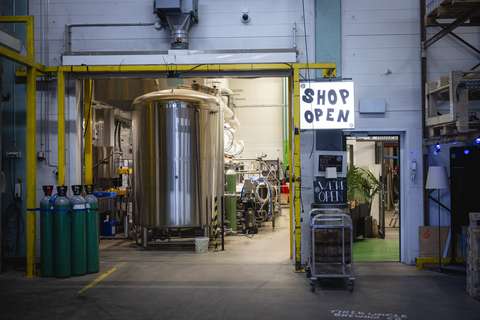
The halls’ distinctive spaces offered growth opportunities for many businesses. There were businesses engaged, for example, in urban food production, such as microbreweries, plant-based protein producers, and vertical farming operations. Low-emission construction companies benefited from the generous ceiling height and the load-bearing capacity of the floor. The reasonable rents attracted startups. Several businesses that were launched at the halls have since gained national media attention.
Read more
Further information