Voxit discussion shows that interaction style is important to both residents and staff
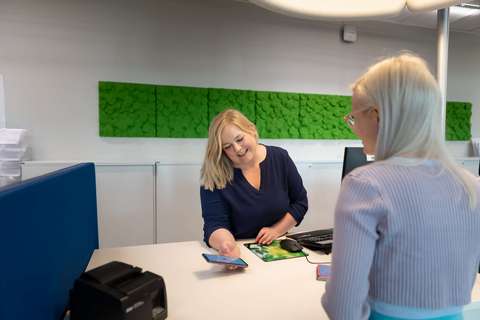
The Voxit discussions held in April with residents and staff confirm that the style of encounters with residents has enormous significance. The results of the discussions have been used in the employee training programme for democratic encounters that is continuing throughout the year.
Voxit discussion to develop customer service
Our employees interact with large numbers of residents every day. These encounters take place at customer service points, such as libraries, employment services and swimming pools, but also more informally at schools, parks and sports fields. Each of these encounters is an opportunity for us to serve residents and increase trust in the city.
In April, we opened Voxit discussions on encounters for both residents and staff. Voxit is a new type of digital discussion platform that allows us to hear a large number of people on their own terms. Espoo selects the discussion topics in Voxit and prepares some preliminary statements that participants can comment on by agreeing or disagreeing with them. Participants can also add new statements to the discussion. This shapes the discussion content according to which topics the participants consider important.
We wanted the discussions to give us a better understanding of what makes a good encounter. What kind of encounter leaves you with a good impression? How does that feel? What kind of service do residents want, and in which situations would employees like to receive more support?
The results of the discussions were immediately put into use when preparing the encounter training programme offered to employees. The training programme has continued throughout the spring and autumn. The results provide valuable material for developing many types of customer service work, also in the longer term.
Experiences are mainly positive, but there is a particular need to develop encounters with minority groups
A total of 112 people participated in the discussion for residents. The majority of these participants felt good about their previous encounter with a city employee. Most also felt that their encounter was supportive.
A large majority of residents felt that the style of an encounter was very important: the positive impact of a single good encounter was very strong, with the interaction style considered just as important as solving the problem. In situations where the problem was solved but the encounter left a negative impression, many people felt that they had been treated unfairly.
This feeling is shared by our employees, even more strongly than residents. Our employees say that solving a problem is not enough – encounters should aim for friendliness and empathy. The majority of the staff respondents were also highly motivated to invest in how they encounter residents. A total of 65 employees participated in the discussion for staff.
Although most of the experiences brought up in the discussion were positive, it is unfortunate to note that poor experiences seemed to focus on the same people. The majority of these people said they belonged to a minority group. Representatives of minorities also report that they have experienced discrimination twice as often as others. This is something that we definitely need to improve.
We will continue to develop respectful encounters
We are delighted with the positive feedback we have received, but we also know that averages are just averages – we also have to look at the people behind them. A single bad experience can have a huge impact on a person’s trust in society as a whole. The discrimination reported by minorities is also a clear problem in terms of democracy and equality.
During the spring and autumn, 102 of our employees participated in the training on democratic encounters that was organised based on the results of the discussions. The participants came from all sectors of the city organisation. The feedback from the participants was mostly very positive: they felt that it provided new ideas and insights, increased motivation for high-quality encounters and helped them to analyse and structure their own operating methods.
The results of the discussions show us which areas we need to focus on in terms of development. On the other hand, the results are a good motivator for us: good encounters leave a positive impression for a long time. We can’t always find a quick solution, but a warm and genuine encounter is usually possible. These encounters are a huge opportunity for us to spread good will.
Customer service development is a never-ending process. We are constantly receiving new feedback in our different services and making adjustments based on that feedback. We also regularly collect information on how residents perceive equality through the annual social inclusion and wellbeing survey. We use the city-level Participation Model to implement and monitor equal participation work.
Take a closer look at the report on the discussion results here.