How a staff initiative changed the daily life of an Espoo day care centre
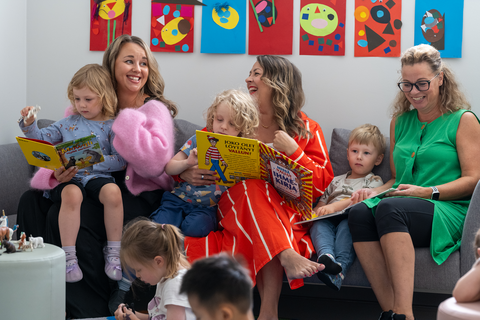
In Espoo’s early childhood education in Espoo, staff initiative are given room and support to develop into practical actions. Nöykkiönniityn päiväkoti day care centre shows how just one development idea can inspire the entire work community and reflect on the children's daily lives.
The forest is just a few minutes away from the Nöykkiönniityn päiväkoti grounds. To early childhood education teacher Johanna Staf, the forest is much more than a place to go on an excursion. It is a learning environment where children can explore, ponder and think about the world.
Nature has been an important part of Staf's work for a long time. Her teacher education, which she completed alongside work, only served to deepen her interest. She wrote her thesis on the forest as a learning environment and also took part in eco-support personnel training, at the behest of her supervisor. This gave rise to an idea in the work community that inspired the staff to start changing how the day care centre operates together.
“Children can learn so much in nature. They pay attention to things that us adults might not even notice. When they return to the same places at different times of the year, they can see the changes in nature and make their own observations about the environment,” says Staf.
Now, Nöykkiönniityn päiväkoti purposefully creates activities around the Green Flag environmental programme. That work is visible in many ways in the daily life of the day care centre’s. In the yard, you’ll find planters with peas and carrots, among other things. Forest trips are a regular occasion, and the theme of a sustainable lifestyle is discussed through games, discussions and joint projects.
“The most important thing has been to get the children involved. We don't want to keep the environmental issues to just being boring adult talk. The children sort waste, grow plants and explore nature. Doing that, they learn to understand why these things matter.”
According to Staf, one of the main reasons that the development work is successful has been the support of the work community and the supervisor. The day care centre’s director, Susanna Hulkkonen, believes that these kinds of developments must rise from the employees' own strengths and interests.
“We have a lot of skills that may not be evident without encouragement. It is the role of the supervisor to identify everyone's strengths and give them the opportunity to use them.”
However, Hulkkonen says that development should not feel like additional work.
"You have to find the joy in the work. When you’re able to do things you care about, it improves well-being at work and commitment. This increases attraction and retention in early childhood education, which we sorely need.”
At Nöykkiönniityn päiväkoti, development happens in baby steps. They don’t aim to do everything at once, but to gradually build new ways to work as part of the normal day-to-day.
Espoo also supports development through competence training for its personnel. Staf has got the qualification for an early childhood education teacher alongside her work. The employer also gave her support in her studies with paid study leave and working time arrangements.
"I have received so much support. Studying while working takes a lot out of you, but when the employer makes it possible, it is much easier to develop your own skills," Staf says.
According to Hulkkonen, training one benefits the entire work community.
“When someone studies something new, they can share new knowledge, new perspectives and new ways of working with everyone. This is how the whole community learns,” says Hulkkonen.
According to Emmiina Harjula, Special Planning Officer for Finnish Early Childhood Education in Espoo, joint development supports a high-quality early childhood education and the success of the personnel in their work. The development work furthers the Espoo Story, i.e. the strategy of the City of Espoo and the common goals derived from it.
“In Espoo, development projects are closely linked to the goals and needs of early childhood education, turning strategic guidelines into practical actions and supporting the work of the personnel in the best possible way. Development is what creates new opportunities and is what ultimately reflects on how the children learn, their health, and their smooth daily lives,” Harjula says.
In Espoo, development efforts currently focus on encouraging active lifestyles, learning in nature, and supporting literacy. Training, development projects and various practical solutions that facilitate the day-to-day life of day care centres are what support these targets.
What the example of Nöykkiönniityn päiväkoti shows is how development emerges from everyday observations, grows into a shared way of working, and is ultimately reflected in the children's learning and well-being. When the employees' ideas are given room to breathe, and leadership supports their implementation, even the smallest of insights can evolve into permanent practices.