Espoo establishes meadows to safeguard the diversity of local plants
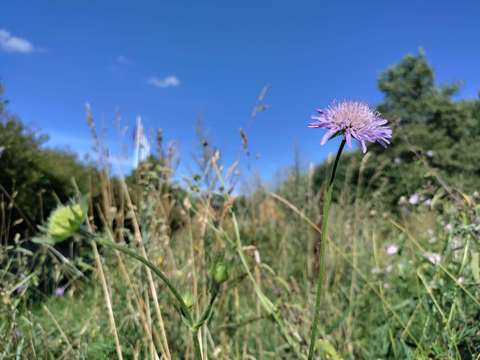
This autumn, Espoo will create its first seed-bank meadows, which will be sown with seeds of local meadow and field plants collected in Espoo. In the future, seeds will be collected from the meadows for landscaping projects. This will help preserve biodiversity and Espoo's native meadow plants.
During the summer and autumn, Espoo is collecting the seeds of rare and endangered meadow and field plants from their natural habitats. The seeds have been collected from different parts of Espoo, including Kauklahti, the Fallåkern meadow and Oittaa. In the autumn, the seeds that have been collected and dried will be sown in meadows established on the Tapiola golf course grounds and in the Espoo City Garden.
“The number of seeds collected is low enough that collection does not endanger the species’ chances of survival in its original habitat. The seeds are dried and stored until they are sown in the autumn,” says Anna Hakala, an environmental specialist with the City of Espoo.
The seed-bank meadows currently being established will be expanded in the coming years. It takes a few years for the meadows to become sufficiently viable. Afterwards, their seeds are collected to be sown as part of Espoo’s landscaping projects in, for example, parks and street areas.
The goal is to use seeds from local species in new meadows
In recent years, Espoo has established dozens of new meadows in, for example, street areas, protective green spaces and parks. A new meadow is a meadow that has been created, at least in part, by sowing the seeds of meadow plants. Additionally, lawns have been converted into meadows by reducing the amount of lawn maintenance.

Natural meadows and the new meadows that complement them are the most important habitats of pollinators and many other insects. In a built environment, even small meadows support the survival of plants and insects and promote biodiversity.
Until now, the seeds for new meadows may have come from distant parts of Espoo. However, in safeguarding biodiversity, it is also important to consider the origin of the seeds. Seed-bank meadows function as seed production sites for the city’s new meadows, where species native to Espoo and their original genetic stock grow.
“In addition to a decline in the number of species, biodiversity loss also means a loss of genetic diversity. Using seeds collected in Espoo allows us to support the preservation of local plant populations and strengthen their chances of survival in a built environment,” Hakala says.
Establishing seed-bank meadows is a part of the Sustainable and Nature-friendly Espoo development programme, which supports pilot projects in the city and the introduction of new solutions. Villi Vyöhyke ry is involved in the project in an advisory capacity.