My Espoo on the Map – Espoonlahti features great conditions for well-being
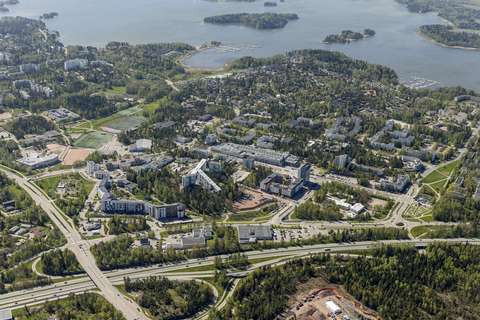
In 2024, around 5,000 Espoo residents answered the My Espoo on the Map survey. The respondents marked their favourite spots on the map: places they go every day, ones that are special, recreational spots, as well as safe and unsafe places. Their responses have helped to study the impact of transport projects on the well-being of Espoo residents. The results showed the positive impact that the West Metro has had on Espoonlahti.
In the study, we compared districts with each other through three indicators of well-being. These indicators were the accessibility of everyday spots, restorative environments, and perceived safety. The study made use of spatial data methods and compared the distribution of the map notes between districts.
The results showed that recent transport projects in Espoo have had a positive contribution to the factors that improve well-being. Espoonlahti had a particularly good showing, as the second phase of the West Metro has made the district more accessible. It has developed, and the new Lippulaiva shopping centre is a nexus of many everyday services for its residents. Despite the rapid construction, the map notes showed that Espoonlahti continues to have plenty of recreational spots.
Everyday places, like shops and services, are very accessible in Espoonlahti. In Espoonlahti, the ratio of notes on everyday places with the number of respondents was 5.4. Only Leppävaara had a higher ratio, with 6.28.
In Espoonlahti, there were as many as 1,222 notes on restorative environments, such as recreational, hobby or special spots, i.e. Espoo's gems. The ratio of restorative environments there was 3.96, taking second place after Laajalahti.
We observed the experience of safety in the districts through the residents’ notes of the safe and unsafe places. Despite Espoonlahti taking the third spot in unsafe places, that number was still smaller than the other urban centres in the study, which were Leppävaara and Espoon keskus.
There were also many places that people consider safe in Espoonlahti, putting the ratio between safe and unsafe places at -0.16. This is significantly better than the ratios of the other urban centres in the study. For Espoon keskus, the ratio was -2.46 and for Leppävaara it was -2.01.
Indicators for Espoonlahti in comparison with other districts in the study
| Espoonlahti | Other districts (7 pcs) | |
| Everyday places | 5,40 | 3,79 |
| Restorative environments | 3,95 | 2,69 |
| Perceived safety | -0,16 | -0,81 |
This table includes the ratios for Espoonlahti and the total indicator ratios of the other districts in the study. Espoonlahti fares batter in each indicator than every other district in the study, which were Espoon keskus, Kaitaa, Kauklahti, Laajalahti, Leppävaara, Mankkaa and Olari.
In summary, it can be said that the West Metro has improved the conditions for well-being in Espoonlahti. The service cluster at the metro station features a wide variety of services and recreation for local residents, which improves access to everyday places and restorative environments in the area.
There are also plenty of places for outdoor recreation and hobbies in Espoonlahti, among which the Rantaraitti Trail is a shining gem of Espoo to many residents. Perceived safety is also higher in Espoonlahti than the other urban centres in the study.
Text: Oliver Kulp
Oliver Kulp wrote his bachelor’s thesis at Aalto University based on the results of the My Espoo on the Map survey. You can read the thesis in English through the Aalto University archive: The impact of transport developments on well-being in Espoo(external link, opens in a new window)
Interested in the results of the My Espoo on the Map survey? You’ll find more information and articles on the survey website