Lifeguard season at Espoo beaches begins on 4 June 2026 – safety has been improved and water quality is regularly checked
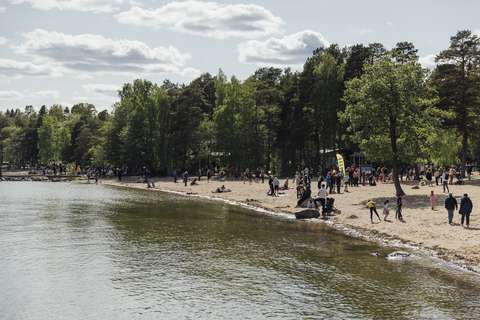
Espoo has eight beaches with lifeguards. The lifeguard season starts on 4 June and lasts until 16 August. Since the previous summer, we have reviewed the safety instructions and updated the beach rules and practices. This will improve the safety of the beaches and prevent dangerous situations.
The beaches of Kivenlahti, Klobben, Matinkylä, Haukilahti and Oittaa will be monitored daily from 10:00 to 20:00. On the beaches of Hanikka, Westend and Laaksolahti, a lifeguard will be present from 10:00 to 18:00.
The lifeguards are there to prevent dangerous situations and to ensure that everyone follows the beach rules. The lifeguards know to pay special attention to potential hazards, such as underwater rocks and sudden drop‑offs, and they instruct people at the beach. After last summer, we have checked safety matters such as the signs that prohibit jumping and safety equipment at the beaches.
Safe swimming areas are marked with buoys in the water. This summer, the lifeguards will also mark the monitored beach area with red and yellow flags. There are also regular announcements to remind visitors of safety and the beach etiquette.
Most dangerous situations at a beach happen when children are left unattended. Beach Coordinator Miikael Tuovinen points out that the supervision of children is always the responsibility of the guardians.
“In water, a child who cannot swim should be supervised closely, no further than an arm’s length away. The safest would be for the child to swim between the beach and the adult.”
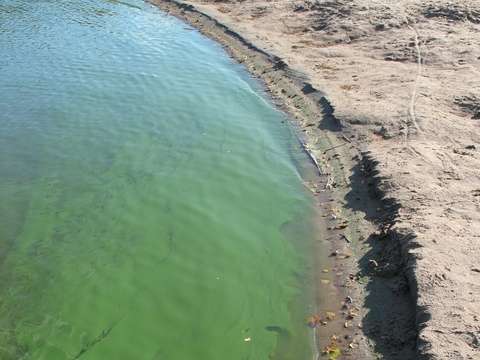
Espoo Region Environmental Health Services monitor the quality of bathing water regularly
The Espoo Region Environmental Health Services will inspect the beaches of Espoo, Kirkkonummi and Kauniainen and monitor the water quality of the beaches regularly throughout the summer. There are nearly 40 beaches in Espoo, Kirkkonummi and Kauniainen. These beaches are a great place to enjoy summer days, as the quality of water has typically been good.
The city will take three samples from smaller beaches during the summer and five from larger beaches, that is, EU beaches. The samples are examined for faecal bacteria, and the blue-green algae situation of the beach is also assessed at the time of the sampling. The city will take more water samples this summer, as they will also regularly monitor the water quality of the Vilniemi beach. The Sorvalampi beach in Espoo will also be examined even more closely this summer, as the growing number of visitors has turned the beach from a small beach to a large beach, or EU beach.
You can find the results of the beach water samples and the blue-green algae situation on the “Bathing water sampling results in Espoo and Kauniainen” page and on the “Bathing water sampling results in Kirkkonummi” page. Read more about blue-green algae and temperatures at beaches on the ulkoliikunta.fi website(external link, opens in a new window). New results will be displayed for 24 hours.
Be careful with blue-green algae
Blue-green algae may be harmful to health. Small children in particular should not swim in water containing blue-green algae. Some blue-green algae may produce liver or nerve toxins. Blue-green algae may also cause nausea and eye, nose and respiratory symptoms.
The blue-green algae situation on the beach may vary very quickly due to the weather conditions, which is why it is important for swimmers to check for blue-green algae before going in the water. There are two ways to identify blue-green algae on the beach:
- Stick test: Grab a stick and try to lift the algae mass with it. If the algae mass remains hanging on the stick, it is not blue-green algae. If the algae breaks down into particles, it is usually blue-green algae.
- Glass test: Scoop bathing water into a glass and let it stand for a while. If greenish particles rise onto the water surface, it is blue-green algae.
Remember hygiene at the beach
It is important to maintain good hygiene at the beach, as the behaviour of bathers has a significant impact on the quality of bathing water. Please follow these instructions to maintain good bathing water quality:
- Come to the beach when you are healthy. Avoid swimming for around two weeks after diarrhoea or a stomach bug.
- Take care of personal hygiene.
- If there are shower and toilet facilities on the beach, use them.
- Please do not use the bathing water when changing a diaper or washing your baby.
- Bathing water is not intended to be swallowed.
If you suspect that the bathing water has made you or your child ill, submit a notification in the electronic Ilppa service(external link, opens in a new window) of Environmental Health Services. This allows the environmental health authority to take the necessary measures in case of possible contamination of the beach.