Espoo works hard to preserve biodiversity
For many residents, nature is one of the most important reasons to live specifically in Espoo. Although the city around us grows at an increasing speed, Espoo’s goal is to prevent degradation of nature. Espoo already has a variety of practices at its disposal to help build a nature-wise city.
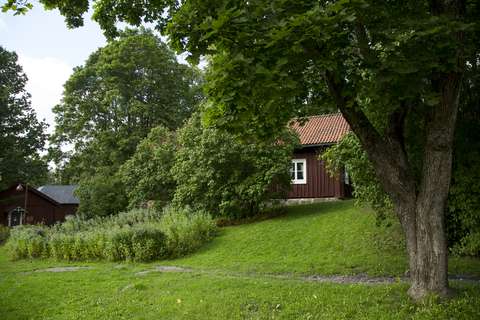
Espoo is committed to preserve biodiversity. We strive to be a pioneer in reconciling a growing city and biodiversity.
The city has long-standing good practices that help us protect nature, such as in forest management and planning. In 2025, we completed the Nature-wise Espoo roadmap, which we will use to keep developing our practices.
Most valuable natural sites preserved through nature conservation
Espoo’s ambitious efforts to protect biodiversity in the coming years will be based on the results of the nature conservation measures project from 2021. The LuonTo project e.g. proposes 26 new nature conservation areas and natural sites to be preserved through local city planning and actions.
The Environmental Specialist Ari Turula’s task is to ensure that the LuonTo project goes ahead and that valuable natural sites in Espoo are protected. “The LuonTo project is an ambitious and extensive whole but it will be a true victory in terms of nature preservation in Espoo,” Turula rejoices. A decision on the creation of the first nature conservation areas related to the project was made in 2022. New nature conservation areas will be created in Perusmäki and Siikajärvi districts to protect precious forests, groves and bogs.
“Comprehensive, up-to-date information on the condition of nature is of utmost importance to allow us to direct attention to areas that need it the most so nature can recover,” Turula states. Espoo collects a lot of new information on the condition of nature in the city annually, such as endangered habitats, bird species nesting in wetlands and the habitats of endangered species.
City planning protects urban nature and the network of green areas
Urban Espoo also features nature areas that have value for both biodiversity and resident activities. The most effective way to protect this type of nature is with plan regulations and symbols.
Our City Planning Department includes a number of landscape architects. It is their job to make sure that city planning protects the most important areas and ecological connections for biodiversity and ecosystem services.
According to landscape architect Annika Tuominen, what’s most important about detailed planning is to protect not only the valuable nature areas but the integrity of the ecological network. “It is important for biodiversity that nature areas remain connected in a network that different species can use to travel,” says Tuominen.
In preparing the detailed plan, landscape architects commission nature reports, which provide current information on the natural values of the planning area. This information is what they use to determine the most valuable areas, where construction is not allowed. Plan regulations can also be used to provide direction for ways to preserve a forest area and where the ecological connections are indicated and preserved. One of the goals of 2025’s Nature-wise Espoo roadmap is to preserve cohesive and functional ecological network in Espoo. Espoo also uses the green factor as a tool to improve its urban nature. It helps to guide plot and block area planning towards greener and more diverse solutions. Read more about the Green Factor in Espoo.
Espoo aims to protect biodiversity in forests through nature management
Forest management in Espoo is based on the principles of sustainable and continuous cover forestry. Forests are maintained to both promote their recreational use and to protect the flora and fauna within.
“Urban forests in Espoo are maintained in a way which promotes longevity. We also allow a variety of tree species to grow in the forests. Old forests and decaying wood benefit many animal, bird and insect species, for example,” says Tiina Peippo, a Forester at the City of Espoo. Silvicultural activities are not performed in Espoo during the nesting season. The ground is also protected when silvicultural activities take place in winter.
According to Tiina Peippo, forests and meadows are maintained with the primary goal of diverse recreational use so that Espoo residents can enjoy local nature and its benefits. “Recreational use of forests may also damage local nature as walking off-path could wear down the forest floor significantly,” Peippo says. That is why hikers are instructed to use existing routes and paths, especially in areas prone to wear and tear.