The Disability Council advocates for the basic necessities of life
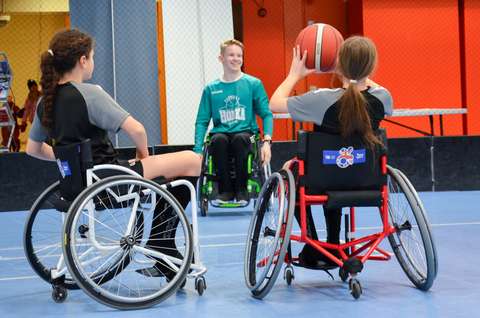
The Disability Council is making a city that works for everyone.
Opening doors to a normal everyday
Disability rights are about things that some of us may not even notice. Were you able to get through the door at your workplace this morning? When you went out to eat last weekend, could you use the bathroom at the restaurant? Did the mall map show you in which direction you should go? If yes, these moments probably didn’t feel particularly fortunate. But the Disability Council is fighting to make such basic things available to everyone.
The Disability Council is a statutory body exerting influence in municipal decision-making. The Council’s duty is to monitor that the rights of persons with disabilities and long-term illnesses are realised. On paper, these seem like non-issues: that disabled people should also be able to go about their lives, use services, and participate in communities. That they could be encountered in the city’s services respectfully and in a dignified manner, and that disabilities or functional limitations would not lead to additional stress, barriers, or a need to explain yourself.

‘Small, basic gestures make you feel welcome. On the other hand, small things can also make you feel excluded,’ says Pirkko Kuusela, the Chairperson of the Council.
‘Public services should not be a rare luxury. They are a connection to life, and we just need a little help to be able to participate together with others,’ says Kaisa Penttilä, a member of the Council.
On the other hand, the Disability Council notes that they do not advocate just for the interests of persons with disabilities. Accessibility offers us all a slightly better life. Black text over a white background rather than a grey background is also easier for you to read, and people with prams or large baggage need to use elevators. We are not focused on creating separate “services for people with disabilities”: all city services belong to everybody.
Valuable help from experts
In its official capacity, the Disability Council issues statements on different city projects and plans, especially regarding zoning and construction projects. Accessibility in construction is promoted by the Disability Council’s working group Raka (Rakennetaan kaikille - “Building for All”). Raka meets as often as twice per month, and in 2025, it issued a statement on 19 different sites.
‘Consulting Raka has been made mandatory in construction projects that require special-level accessibility, but these days we also comment on many other projects. The most important sites we have issued comments on have been metro stations and other transport hubs, service housing, and business centres,’ says Hanne Österberg.
‘We issue statements on both finished project plans and for various planning guidelines. We also conduct accessibility checks at construction sites and organise accessibility seminars,’ Österberg continues.

Official statements are only one part of the Council’s advocacy work: the work also involves all the dialogue, opinion influencing, and increased understanding that comes from discussions with city officials. City officials can involve the Disability Council in projects that are being planned at a low threshold. Experts with permanent seats in the Council learn all kinds of things at the meetings that they might not have thought to ask themselves.
‘There are experts by experience and I constantly get valuable information from them which I can use in my work in many ways,’ says Elina Räsänen, who represents the Sports and Exercise sector in the Council.
‘Thanks to the Disability Council, I have gained a better understanding of different functional and mobility obstacles, and I am able to better bring up these issues when the City is working on promoting well-being, health, and inclusion,’ says Marianne Sepponen, the contact person for the Disability Council in the city organisation.
‘It is truly valuable that initiatives like the Rake working group have become a part of the city’s official building control process. There is nothing that could replace expertise by experience. The urban environment is for people. There should be even more cooperation between experts by experience and City personnel,’ says Sirkku Kiviniitty, the City’s accessibility expert.
How to join
The Disability Council includes representatives from disability and patient organisations, the different sectors of the City, and elected officials. Representatives from the City Board, the Youth Council, and the Advisory Committees of the Elderly Council and the Disability Council also participate in the meetings. The actual Disability Council meets approximately once a month.
In other words, if someone living in Espoo wants to get involved, the path to the Disability Council is through joining an organisation. Organisation representatives can run for a seat in the Council in the elections of the Advisory Committee of the Disability Council. The Advisory Committee is like the Council’s own board: all of Espoo’s disability and patient organisations make up its members.
‘Being a part of the Council gives meaning to the struggles in your own life. If I can help myself, why not also help hundreds of other residents of Espoo who are in the same situation?’, says Hanne Österberg.
‘Even a small contribution is enough. I don’t have to be the top member of the Council, but I want to be here to support and help those who have heaps of motivation,’ explains Ritva Karhunen.
‘The Council consists of an active and motivated group of people,’ Kiviniitty says.
