Espoo has halved its climate emissions
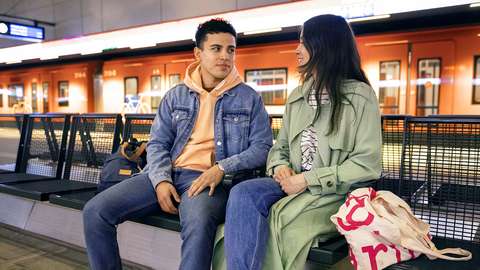
Espoo is striving to achieve carbon neutrality by 2030 - meaning the climate emissions generated in its region must fall by 80% from the figures measured in the 1990s.
The climate emissions in Espoo have fallen by approximately half when compared to the situation in 1990. However, the city’s population has nearly doubled over the same time period. In total, climate emissions per resident have decreased by 72 per cent.

Cleaner energy coming ever faster
Energy solutions are key to Espoo’s emission reduction goals. Together with the energy company Fortum, the City of Espoo has undertaken to considerably reduce district heat emissions by the end of the 2020s.
Espoo stopped using coal in the production of district heating in April 2024. Instead, more and more electricity-based solutions have been adopted to replace coal: some examples include the utilisation of waste heat from data centres and waste water, electric boilers, heat pumps, and bioenergy. Shutting down coal-fired plants has had a clear impact on emissions in Espoo: within a year, the emissions generated from district heating decreased by 62 per cent.
The specific emissions from district heat production will continue decreasing in the next years, and they are expected to reach zero by 2030.
‘A considerable decrease in the specific emissions from the production of district heating will also mean that climate emissions will decrease in the entire city of Espoo by 2030. This highlights the important role that energy solutions have in achieving the city’s climate goals and represents an exceptionally impressive achievement in reducing emissions in the city, even in global comparisons,’ says Kai Mykkänen, Mayor of Espoo.
At the same time, climate emissions from consumer electricity have also decreased significantly as electricity production has become cleaner everywhere in Finland. In Espoo, consumer electricity emissions have been nearly halved in comparison to the 1990s. For their part, phasing out oil heating and the increased use of solar panels have helped reduce emissions.
Transport emissions declining
Traffic has become the largest single source of emissions in Espoo since the emissions from district heating have decreased. They account for about half of the city’s current regional emissions. Between 1990 and 2025, transport emissions have decreased by 11%. The largest contributor to this development is the increasing use of electric vehicles. Increased pedestrian activity and public transport have also helped reduce emissions. In recent years, Espoo has made significant investments in railway infrastructure, such as the West Metro, the light rail line, and the Espoo Rail Line, which is currently being constructed.
Espoo to also cut other climate emissions
One of the objectives of Espoo is also cutting consumption-based emissions even though the indirect emissions from consumer goods - e.g. food, goods, and construction supplies - are not included in the calculation of regional climate emissions nor are they part of Espoo’s carbon neutrality goal. For instance, the emissions from construction materials are not reflected in the emissions generated in the Espoo region since the materials are manufactured outside of Espoo. They still pose an important target for reducing emissions for Espoo.
In the efforts to reduce emissions, decisions made by the public sector, companies, and individuals all play a part. Everyday choices made by individuals especially affect the emissions from food and purchased goods and services. For its part, the city can control the emissions from construction through land use planning and its construction solutions. Achieving the carbon neutrality goals and reducing emissions will also make it possible to reduce the emissions of all Espoo residents and contribute to a more sustainable and easier everyday life for them.
Read more
- Espoo’s climate goals
- Espoo Climate Watch(external link, opens in a new window): read about the climate action the city has taken and follow its progress and impacts