No blue-green algae found at these beaches in recent years – always check the situation before swimming
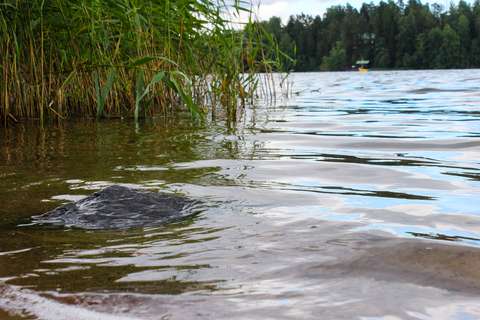
Blue-green algae, or cyanobacteria, has already been spotted at many beaches, and the warm weather is expected to accelerate its growth even further. However, there are a few beaches in the Espoo region where no blue-green algae has been found over the past five years. The situation can change rapidly, so you should always check the water before swimming.
Blue-green algae may cause symptoms such as nausea and irritation of the eyes, nose or respiratory tract. Swimming in water containing blue-green algae is not recommended, and such water should not be used in the sauna, for washing or for watering plants.
No blue-green algae has been found at the following beaches over the past five years:
- Luukinjärvi
- Myllyjärvi, southern
- Myllyjärvi, northern
- Odilampi
- Sorvalampi
The information is based on the observations made during the sampling of bathing water. Espoo Region Environmental Health Services monitors water quality at beaches in Espoo, Kirkkonummi and Kauniainen.
How to identify blue-green algae
The blue-green algae situation can change rapidly due to the weather, so you should always check the water before swimming.
Blue-green algae first appears in the water as tiny greenish or yellowish specks, but larger amounts may form masses of algae on the surface of the water. A large amount of blue-green algae can also make the water appear cloudy and green. A mass of algae by the shore may look like thick paint or pea soup. As blue-green algae ages, its colour may turn brownish or even turquoise. Blue-green algae typically has a musty odour.

Here are two methods for identifying blue-green algae:
- Stick test: Take a stick and try to pick up some algae. If the algae hangs from your stick, it is not blue-green algae. If the algae disintegrates into particles, it usually is blue-green algae.
- Glass test: Collect some bathing water in a glass and let it sit for a while. If green particles appear on the surface of the water, it is blue-green algae.