Oh poo - An exhibition about the valuable waste from the farm
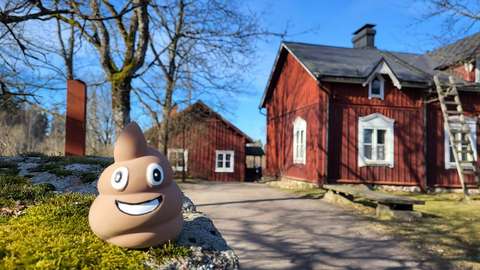
A new exhibition at KAMU Espoo City Museum's Farmstead Museum Glims opens on April 22, 2026. The exhibition explores life on an old-time farm, where not even poop goes to waste! Manure and scraps turn into soil that nourishes the fields and brings food to the table. This exhibition about the cycle of droppings combines humour, history and a game-like adventure. Recycling isn’t just a modern thing – it has always been a part of life.
The Oh poo exhibition tells the story of valuable farm waste in a fun and playful way. Delightful illustrations and interactive elements invite visitors to stay, explore, and discover how everything circulates. The exhibition is especially aimed at children and the young at heart.
The exhibition content cleverly complements the historical farm setting of Farmstead Museum Glims. In the museum area, visitors can peek into a real outhouse and discover other elements of the farm’s closed-loop system, such as authentic manure carts in the carriage shed, as well as manure gutters and wall hatches. During the summer season, sheep from the 4H farm and the residents of Glims’ own chicken coop also demonstrate the farm’s cycle in a concrete way.
The exhibition approaches the important and topical theme of recycling from the perspective of the closed-loop system of a traditional farm. It presents the circulation of waste, its importance, and the continuation of life through composting in outhouses and manure heaps. The circular economy thinking of farms and the perspective of sustainable development form a continuum with today’s urban sustainability goals, such as the bioeconomy, reuse and recycling of materials. Objects found in the soil and displayed in the exhibition tell their own stories about their users and materials. What will remain of us when almost everything already circulates?
The exhibition at Glims was designed by Inner Arkkitehdit, Elina Rantasaari, and Hanna-Marie Naukkarinen. Graphic design was created by Maria Paukkunen, and the humorous illustrations were made by Anni Pöyhtäri. Structures were built by Mytime Oy and prints were produced by Grano Oy. The exhibition content was designed and implemented by the team at KAMU Espoo City Museum.