Espoo has four new nature reserves
Four new nature reserves have been established in Espoo, as the Economic Development Centre for Uusimaa and The Finnish Supervisory Agency approved the conservation of the Masskärr Forest, the Kuuskoti Forest, the Linholminluodot Islets and the Ruukinranta Shore. The decisions increase the area of the city’s protected areas by a total of 69.3 hectares. The new areas are based on the Espoo Nature Conservation Measures, according to which the city made a proposal on the conservation.
The new protected area has a significant impact on biodiversity. The areas provide vital habitats also for many endangered species, from crested tits and common eiders to flying squirrels and crustose lichens (Hertelidea botryosa).
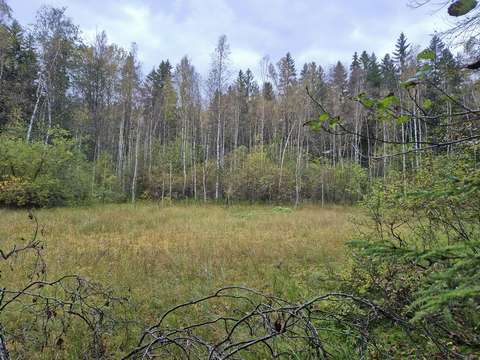
The largest of the new areas, approximately 50 hectares, is the Masskärr Forest in Nupuri. The area is extensive and regionally significant, with coniferous and deciduous heath forests and rugged rock forests spreading around diverse mire habitats. The western parts of the area contain representative herb-rich forest and herb-rich heath.
The Kuusikoti Forest Nature Reserve, approximately 14 hectares, is located in Brobacka, between Hakjärvi lake and Nuuksiontie road, and forms an entity with the adjacent Mariliina Nature Reserve. Special features of the Kuusikoti Forest include the lush herb-rich forest of the hollow in the middle of the area, its fern tussocks, abundant deadwood and spring-fed mires. Various other habitats, such as rocky pine forests over 100 years old, also occur in the Kuusikoti Forest area.
The Linholminluodot Islets off Westend are a diverse birdlife site. The grassy islets have been nested by e.g. mute swans, Eurasian widgeon, tufted ducks, common eiders, common terns, Arctic terns and redshanks. The nature reserve of just under three hectares also includes underwater nature. The shallow surrounding the islets includes a highly endangered habitat type, wrack bottom.
The fourth nature reserve is Ruukinranta, which is part of the national old-growth forest and bird wetlands conservation programmes. The site is located on the shore of Laajalahti, northeast of Nature House Villa Elfvik. It covers 2.1 hectares. The area has old-growth deadwood-rich forest and representative alder swamp. The shore’s reed beds and water area are important for bird life, and the area is part of the nationally significant bird area of Laajalahti. The Ruukinranta Nature Reserve, together with other protected areas in the region, forms a significant, cohesive entity.