Ice skating rinks and ski tracks depend on the weather
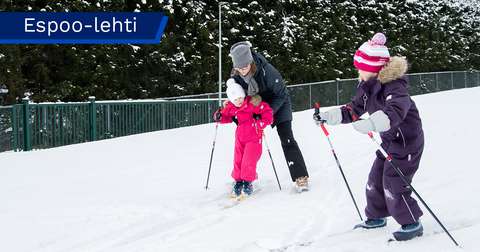
“The freezing of artificial skating rinks will begin around mid-November, depending on the weather conditions,” says the City of Espoo’s Maintenance Manager Jussi Aihio.
“The freezing of natural skating areas usually begins in mid-December, if the weather conditions allow. We need to have sub-zero temperatures for about a week to be able to properly freeze the foundation of the ice.”
You can find up-to-date information on the condition of skating rinks on the Ulkoliikunta.fi website(external link, opens in a new window).
Ski tracks need frost and artificial snow
The maintenance of ski tracks also requires continuous monitoring of weather conditions. They are affected by both humidity and air temperature.
“Periods of cold temperatures reduce the need for maintenance, as the snow hardens and the number of users decreases, which means that the tracks stay in good condition longer,” says Aihio.
“You can start making artificial snow at around -2 degrees Celsius. Artificial snow is made by spraying water into the air at high pressure, and it quickly freezes into small ice crystals. These crystals are coarser and harder than natural snow.”
Winter storms often cause trees to fall across ski tracks, making maintenance work more difficult.
You can find up-to-date information on the condition of ski tracks on the Ulkoliikunta.fi website(external link, opens in a new window).
Text: Nora Gullmets
This article was originally published in the Espoo-lehti magazine 3/2025. Read other Espoo-lehti articles.