The Hepokorpi Project: Data center supporting Espoo’s Carbon-Neutral Future
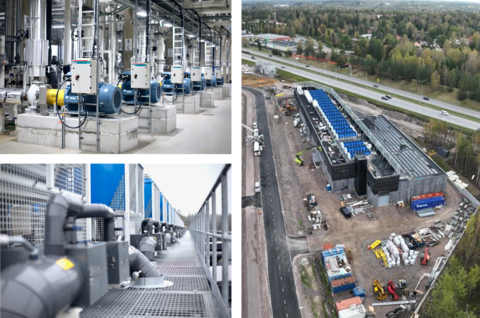
One of the world’s largest data centre waste heat recovery projects is helping Espoo reduce emissions, support economic growth and build a more sustainable future.
Introduction
Data centres are rapidly expanding worldwide as demand for digital services continues to grow. Cities are increasingly looking for ways to maximise the local benefits of these developments. The Nordic countries offer favourable conditions for data centres due to their climate and reliable energy systems. In this context, Espoo, Microsoft and Fortum are developing one of the world’s largest projects to reuse excess heat from data centres, as well as steady investment environment. This article explains how the city has collaborated with companies and what this means for Espoo.
Why This Project Matters for Espoo
The construction of the data centre facilities represents one of the largest recent investments in digital infrastructure in the region.
For Espoo, the project is not only about technology. It also brings broader benefits to the city:
- Large-scale investments that support economic growth
- New employment opportunities during construction and operation
- Increased activity for local businesses and services
- Strengthening Espoo’s position as a hub for digital and sustainable industries
Projects like this contribute to the vitality of the city and support the development of new industries linked to digitalisation and energy innovation. The project plays a key role in achieving Espoo’s carbon neutrality goal, significantly reducing emissions. The recovered heat is expected to cover around 40% of district heating demand, once the waste heat recycling is fully operational.
What Is the Hepokorpi Data Centre?
A data centre is a facility that houses computer servers used to store and process digital information. These servers generate heat while operating and cooling systems are needed to maintain stable temperatures.
In most locations, this excess heat is released into the surrounding environment air or waterways. In Espoo, however, the heat can be captured and reused. Together with excess heat recovered from wastewater treatment processes, these solutions could cover around 68% of district heating in the region.
The project is developed in collaboration between the City of Espoo, Fortum and Microsoft. Espoo and Fortum have a long history of working together to develop carbon-neutral district heating solutions in the region, while Espoo and Microsoft agreed on a strategic collaboration in 2024 to accelerate sustainability, citizen services and innovation. In this project, Fortum is responsible for capturing and transferring the excess heat into the district heating network, while Microsoft develops and operates the data centre facilities that generate the heat and provides that heat to Fortum.
Through large-scale heat pumps operated by Fortum, excess heat from data centres can be transferred into the district heating network and used to warm homes, offices, schools and other buildings.
The Hepokorpi data centre is expected to become operational around 2027, forming part of the wider data centre region that includes facilities in Kirkkonummi and Vihti. As with most large-scale data centre developments, the project will be built and commissioned in phases. This means that waste heat recovery will gradually increase as additional facilities and servers become operational over the coming years.
The Role of the City of Espoo and Why Hepokorpi?
The City of Espoo does not invest directly in the construction of data centers. Instead, its role is to ensure that projects like this support the city’s long-term goals and bring benefits to both residents and businesses.
Through planning, regulation and collaboration with partners, the city works to maximise the positive impacts of the project while ensuring compliance with environmental regulations and community needs.
The Hepokorpi area was selected carefully. One of the key factors was its proximity to the district heating network, which makes it possible to transfer heat efficiently to network without significant energy losses. The location also provides suitable infrastructure for electricity and digital connectivity.
Impact
Reducing emissions from heating is an important part of Espoo’s climate strategy. District heating has historically been one of the city’s largest sources of emissions. About 75% of the residents in Espoo live in a home connected to the district heating network.
Capturing excess heat from data centers is one significant action to transform district heating systems in Espoo to be more climate friendly. When the Microsoft datacenter areas are finalized and the waste heat offtake is working fully, the heat from fossil-free fuels will cover 40% of all district heating in Espoo.
This development is part of a broader transformation of the energy system in the region. In 2025, 83% of district heating was already produced from fossil-free sources. Together with other sources of recovered heat, such as wastewater treatment processes, the share of heat from fossil-free sources will continue to increase in the coming years, supporting the transition towards fully carbon-neutral district heating.
The project also supports local skills development. Microsoft has started collaborating with educational institutions such as Omnia and Luxia to provide tailored training programmes that prepare students for careers in data centre operations and digital infrastructure. This helps ensure that local talent can benefit from new job opportunities created by the project, particularly as the sector continues to grow towards 2029–2030.
Nature and Biodiversity
The impact of the project also extends beyond energy and infrastructure.
Microsoft has established a project fund in Finland to support local initiatives with long-term positive impacts in data centre locations, including Espoo, Kirkkonummi and Vihti. The fund supports projects related to biodiversity, digital skills, health and well-being, as well as education and STEAM subjects.
These initiatives complement the development of the data centre ecosystem and help ensure that local communities benefit from the project in multiple ways.
Conclusion
The Hepokorpi data center project shows how digital development can support Espoo’s long-term goals. By reusing excess heat, the project contributes to cutting fuel-related CO2 emissions from district heat production and supports the city’s path towards carbon neutrality.
At the same time, it brings wider benefits to the city, including economic activity, new job opportunities and the development of new skills. The collaboration between the city, companies, and educational institutions highlights how different actors can work together to create value for the local community.
Projects like this strengthen Espoo’s position as a city that combines innovation, sustainability and wellbeing for its residents.